
BMW 228 VIN Decoder
Enter the 17-character VIN from any BMW 228 to reveal factory specifications and access vehicle history data. Our decoder reads the manufacturer-encoded details so you know exactly what you are looking at.
About the BMW 228
The BMW 228 is a well-known vehicle in its segment, offering a blend of performance, comfort, and practicality that appeals to a wide range of drivers. Whether you are evaluating a recent model or a classic example, understanding the specific configuration of any individual car matters.
Over the years, the BMW 228 has been offered with multiple engine options, trim packages, and drivetrain combinations. Listings do not always reflect the true factory specification — a VIN lookup closes that gap by reading the data encoded at the assembly plant.
Buyers researching a used BMW 228 benefit from confirming build details before negotiating price or scheduling an inspection. Factory-encoded information helps you compare apples to apples when reviewing multiple vehicles.
Why Decode a BMW 228 VIN?
Each BMW 228 leaves the factory with a unique VIN that records its exact engine, transmission, trim level, and production details. Decoding that number before you buy helps confirm the listing matches reality — especially important when multiple powertrains and option packages were available for the 228 lineup.
What Is a VIN?
A Vehicle Identification Number (VIN) is a standardized 17-character code assigned to every BMW 228 sold in North America and most global markets. No two vehicles share the same VIN, making it the most reliable way to identify a specific car.
New to VIN decoding? Think of the number as a barcode for your car — each character group describes a different aspect of how the vehicle was built.
WMI — World Manufacturer Identifier (positions 1–3)
The first three characters identify the manufacturer and country of origin. For a BMW 228, the WMI confirms the brand and the plant region where the vehicle was registered for production.
VDS — Vehicle Descriptor Section (positions 4–9)
Characters four through nine encode the model line, body style, engine type, restraint system, and a check digit. This section holds most of the factory specification data for your 228.
VIS — Vehicle Identifier Section (positions 10–17)
The final eight characters include the model year, assembly plant code, and a unique serial number. Together they distinguish your BMW 228 from every other vehicle produced on the same line.
What You Get From a BMW 228 VIN Check
Running a VIN lookup on a BMW 228 surfaces both factory build data and connected history records. Here is what a comprehensive check typically reveals:
- Engine type and displacement
- Transmission configuration
- Model year
- Trim level and package codes
- Factory location and assembly plant
- Accident and damage history from reported events
- Title status including salvage or rebuilt branding
- Odometer readings across title and service records
Common BMW 228 Buying Considerations
Educating yourself about typical used-car risks helps you ask the right questions during a BMW 228 purchase. These topics apply broadly to pre-owned vehicles and are especially relevant when history records are incomplete.
Mileage fraud risks
Odometer rollback remains one of the most common forms of used-car fraud. Cross-referencing the BMW 228 VIN against title transfers and service records helps spot readings that drop unexpectedly between events.
Accident history importance
Even minor collisions can affect alignment, frame integrity, and resale value. A VIN-linked history report flags insurance claims and auction listings tied to the 228, giving you context the seller may not mention.
Open recalls
Manufacturers issue safety recalls that may remain unresolved on older BMW vehicles. Checking recall status alongside the VIN ensures you are not inheriting outstanding repair obligations.
Used car market risks
Private-party sales and curbside listings carry less buyer protection than dealer transactions. Verifying the BMW 228 VIN against title documents before payment reduces the chance of purchasing a cloned, stolen, or misrepresented vehicle.
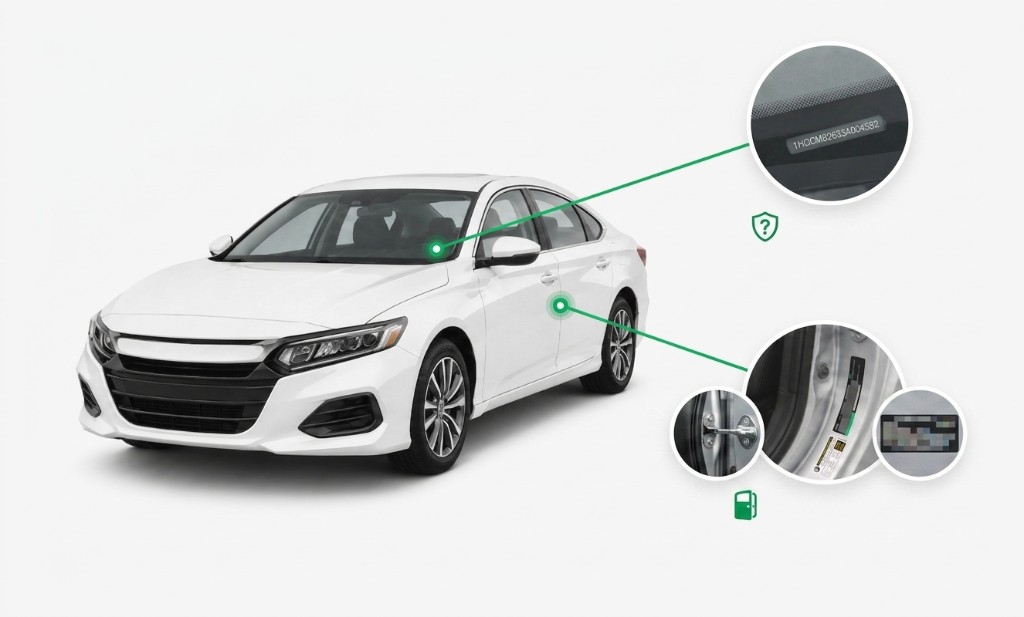
Where to Find the VIN on a BMW 228
Why Check a BMW 228 VIN Before Buying?
A pre-purchase VIN check on a BMW 228 turns uncertainty into verified facts. Smart buyers decode the VIN first for these reasons:
Avoid fraud
Confirm the BMW 228 you are inspecting is not stolen, cloned, or carrying hidden title brands that would block registration.
Verify specs
Match the listed engine, trim, and drivetrain against factory data encoded in the 228 VIN so you pay fair market value for the actual configuration.
Check history
Review accident reports, insurance claims, and auction records linked to the BMW 228 VIN before you commit to the deal.
Ensure safety
Identify unresolved recalls, airbag deployments, and structural repairs that could affect the safety and long-term reliability of your 228.
VIN Decoder for Other Makes
Select a manufacturer to explore supported models and VIN details.